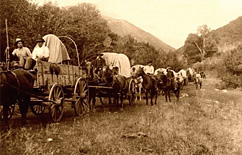
A Living Time Capsule of the American FrontierThe great ranches of the Old West are enduring symbols of America's frontier spirit, places forged by cattle drives, rugged cowboys, and the daring exploits of gunfighters and desperados. Immortalized in classic western films and the stories of pioneers, these historic ranches capture a way of life defined by grit, independence, and the endless expanse of wide-open land. They were more than working farms - they were communities where legends were born, where the rhythm of the land and the cattle shaped daily life, and where every sunrise promised both hard work and adventure.Just a short drive from the bright lights of Las Vegas, one such legend still thrives at Grand Canyon Western Ranch, the only historic and authentic western ranch experience near the West Rim of the Grand Canyon. Here, guests can step into the boots of a true cowboy or cowgirl, wander among original stone cabins, and feel the pulse of the frontier in the rolling desert hills and sweeping mountain vistas. Every moment at the ranch evokes the spirit of the Old West, offering a rare glimpse into a world where history, adventure, and natural beauty converge.Tucked away in the dramatic expanse of Grapevine Canyon, framed by the rugged Music Mountains and the towering southern edge of the Grand Wash Cliffs, the ranch sits just 12 miles from the entrance to the West Rim of the Grand Canyon. Spanning over 800 acres of storied land, the ranch once played a pivotal role in the settlement of Northern Arizona. Part of the historic Mormon Trail winds through the property, marking the path of early pioneers who braved the frontier in search of a new life.Today, the ranch offers more than just breathtaking scenery - it is a living slice of the Old West. Visitors can ride through untouched desert landscapes, explore historic cabins, and feel the presence of frontier history all around them. Here, every sunrise over the canyon and every whisper of the wind through the cliffs invites guests to step back in time and experience the freedom, adventure, and rugged beauty of the American West, all just a short drive from the bright lights of Las Vegas. Wagon Train Ride Through The Mormon Trail
The Stone Cabins and Early Mining History of The Ranch
Wellington Starkey (1853–1894) first established the ranch's land as a Mormon ranch in the late 1880s, utilizing the natural springs near Grass Springs to sustain early operations. His legacy is deeply rooted in the very structures that still stand on the land today. The historic stone cabins, of which remnants still remain on the ranch, were originally built by miners processing gold ore in the area. These historic stone cabins later became part of the Starkey homestead, after the miners departed, establishing early ranch life among the sweeping canyon views and open desert terrain.Remembered as a generous man and a great rustler with a deep desire to keep his family well provided for, Starkey's legacy lives on in the lore of the Grand Canyon Western Ranch, where one of our premier cabins proudly bears his name. Historic Stone Cabin at Grand Canyon Western Ranch
Native History Of The Area and The 1889 Ghost Dance MovementThe Ghost Dance was a broad spiritual movement that began in 1889, spreading to many tribes across the American West. Many tribes, including the local Hualapai, participated during a time of profound disruption, land loss, and cultural upheaval. This late 19th-century movement, inspired by Paiute leader Wovoka, was a spiritual revival in which participants believed that its sacred dances and songs could bring back deceased relatives, restore traditional life with abundant buffalo, and trigger a natural event to sweep away white settlers, restoring their way of life. The movement was rooted in the hope of reclaiming autonomy and cultural cohesion, and, in some cases, of seeing settlers and their influence depart. The ceremony was meant to restore balance, honor ancestors, and envision a future free from outside pressures. Such displays of resilience and spiritual strength unsettled the miners working the area, and shortly after the Hualapai's first Ghost Dance, mining operations came to an end. Today, the echoes of that time remain woven into the ranch's history, a testament to the land's enduring legacy and the people who shaped it. 
Ghost Dance of the Oceti Sakowin, print from a wood engraving, 1891
The Tap Duncan Era, Dale Smith, and Diamond Bar Ranch George "Tap" Duncan (1869–1944) was a Texas-born cowboy who built a reputation as a skilled rider, marksman, and larger-than-life figure in the American West. His reputation as an outlaw largely stems from personal and family connections to notorious figures of the era, including ties by marriage to Black Jack Ketchum and associations with Harvey "Kid" Curry Logan, both linked to the Hole-in-the-Wall Gang. After a fatal barroom altercation in Idaho in 1898, Duncan relocated his family to Arizona, where he began ranching near Hackberry. In 1910, he acquired land from the Starkey family and established the Diamond Bar Ranch, transforming the rugged range into one of northwestern Arizona's largest cattle operations—a sprawling empire that would eventually stretch across more than a million acres. Over time, Duncan became a legendary rancher whose influence helped shape the region's cattle industry, managing the ranch until his death in 1944.
In 1956, World Champion calf roper — Dale Smith (1928-2014) — purchased Diamond Bar Ranch, bringing his deep expertise in ranching and rodeo to the historic property. Under Smith's ownership, the ranch continued as a fully operational cattle and horse ranch, maintaining the traditions of open-range ranching in northwestern Arizona. He focused on sustainable livestock management, developing grazing practices that preserved the land while supporting a thriving herd, and emphasized horsemanship and training, reflecting his rodeo background. For nearly five decades, Smith's stewardship kept the ranch a working Western operation, blending the legacy of Tap Duncan with his own vision of skilled ranching and authentic cowboy life.
Tap Duncan and Dale Smith of Diamond Bar Ranch
A New Chapter in A Legendary Arizona Ranch
When Dale Smith sold the Diamond Bar Ranch, a new chapter began as the property was reborn as the Grand Canyon Western Ranch, leaving behind its cattle-driving roots to welcome guests into the rugged, authentic world of the Old West.
At Grand Canyon Western Ranch, every day is an adventure steeped in the spirit of the Old West. Guests can enjoy horseback rides across scenic desert trails, take horse-drawn wagon rides, test their aim at the Wild West Gun Range, or soar over the Grand Canyon on a thrilling West Rim helicopter flight. For those seeking the ultimate experience, visitors can even be flown in directly from Las Vegas by helicopter. Evenings come alive with campfire storytelling, stargazing under vast western skies, and gatherings in the historic ranch house, where the echoes of frontier life still linger. The ranch offers an unforgettable hands-on taste of Western heritage for every guest.
A Living Legacy From Cowboys, Outlaws, and Native HeritageFrom its origins as a rugged frontier homestead and a waypoint along the Mormon Trail, to its days as the sprawling Diamond Bar Ranch, and later as a thriving cattle operation under a world-champion calf roper, this land has long been shaped by bold figures and frontier grit. The surrounding desert and canyon landscapes also bear the imprint of Native peoples, including the Hualapai, whose traditions and spiritual practices have left a lasting mark on the land and the region's cultural heritage. Today, as the immersive Grand Canyon Western Ranch, the property invites guests to step into this layered history while experiencing an authentic dude ranch lifestyle, riding across sweeping desert trails, taking horse-drawn wagon rides, testing skills at the Wild West Gun Range, and sleeping in cozy pine cabins that echo with the stories of pioneers, miners, and cowboys. Every vista, trail, and sunset over the Grand Wash Cliffs connects visitors not just to breathtaking scenery, but to the legends, heritage, and enduring freedom of the Old West.